
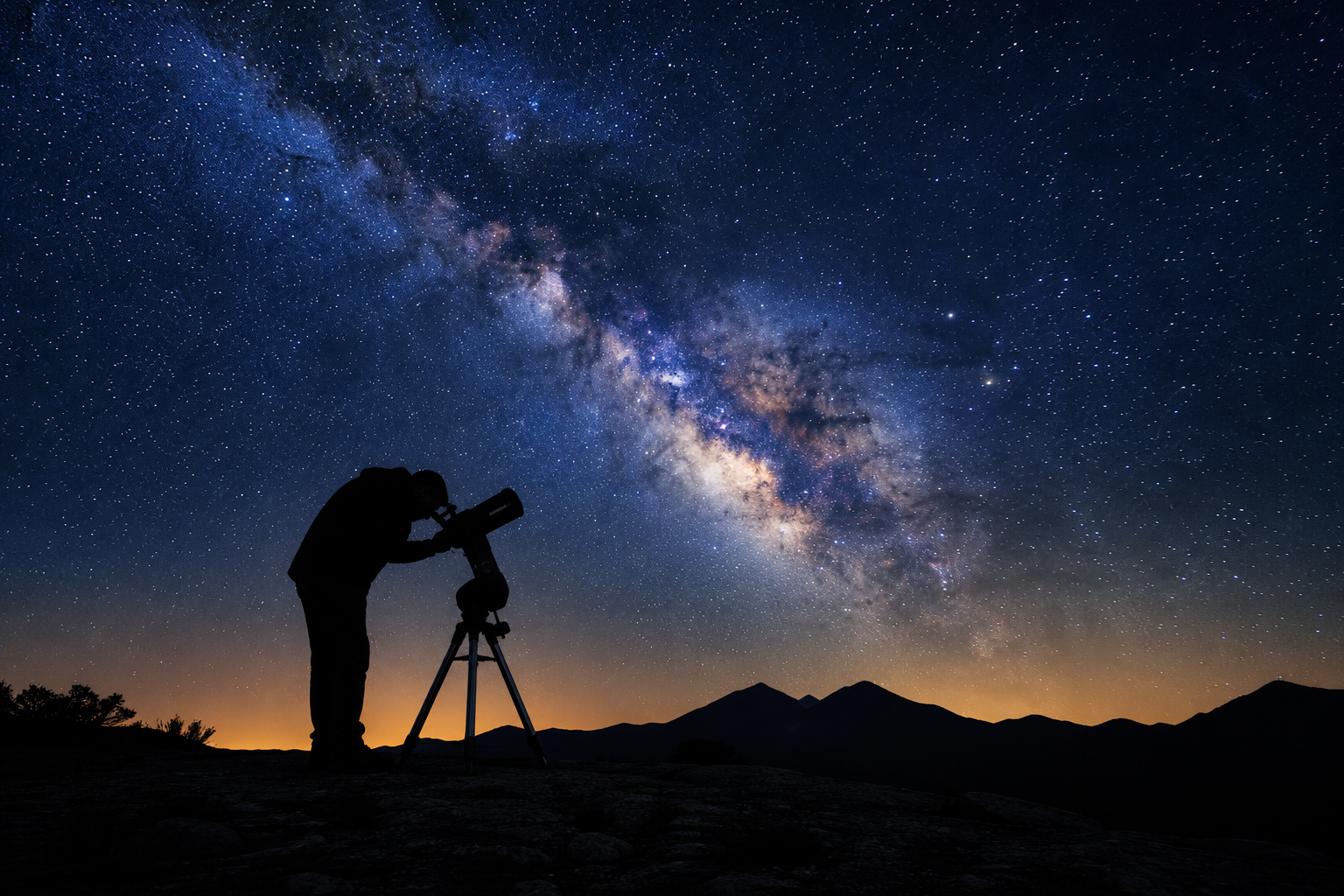
“The night sky has been calling since third grade. I’m finally answering.”
My third-grade teacher changed my life. I don’t think she ever knew it.
Mrs. Weigle had a gift for making science feel like an adventure. Through a series of field trips she instilled in me a love of science that has never left. The most important of those trips was to the Vanderbilt Dyer Observatory — one of the oldest observatories in the South, sitting on a hill above Nashville. I don’t remember exactly what I saw when I looked through that 24-inch telescope. But whatever it was, the hook was set.
What’s Coming
This section is for people who love the sky and have dreamed of getting a telescope — and for people who already have one and are finding out, like I did, that “easy to use” in the advertising isn’t quite as easy as it sounds.
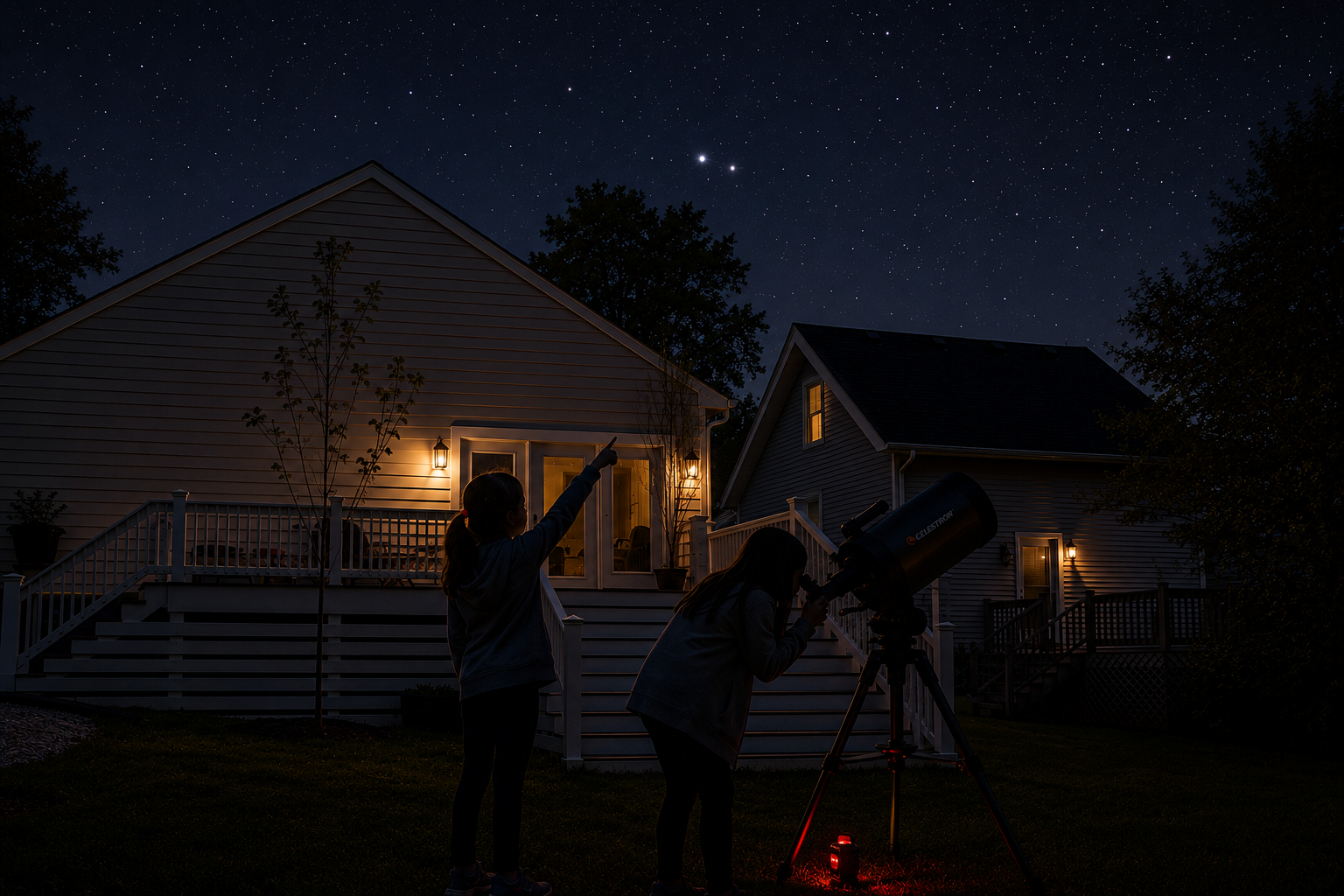
I have a Celestron NexStar 5SE (part of the same family as the 4SE, 6SE, and 8SE). Celestron’s own copy calls it “the perfect choice for your first serious telescope,” and that’s exactly what sold me. Three years and a lot of trial and error later, I’m still learning — how to align it properly, how to use a camera instead of squinting through the eyepiece, and hopefully a lot more.
The posts here will be useful no matter what telescope you own, but my focus is on beginners, and especially on the NexStar series. They’re roughly in the order things actually happened, including the parts that didn’t go as planned — because what didn’t work has been as useful to me as what did:
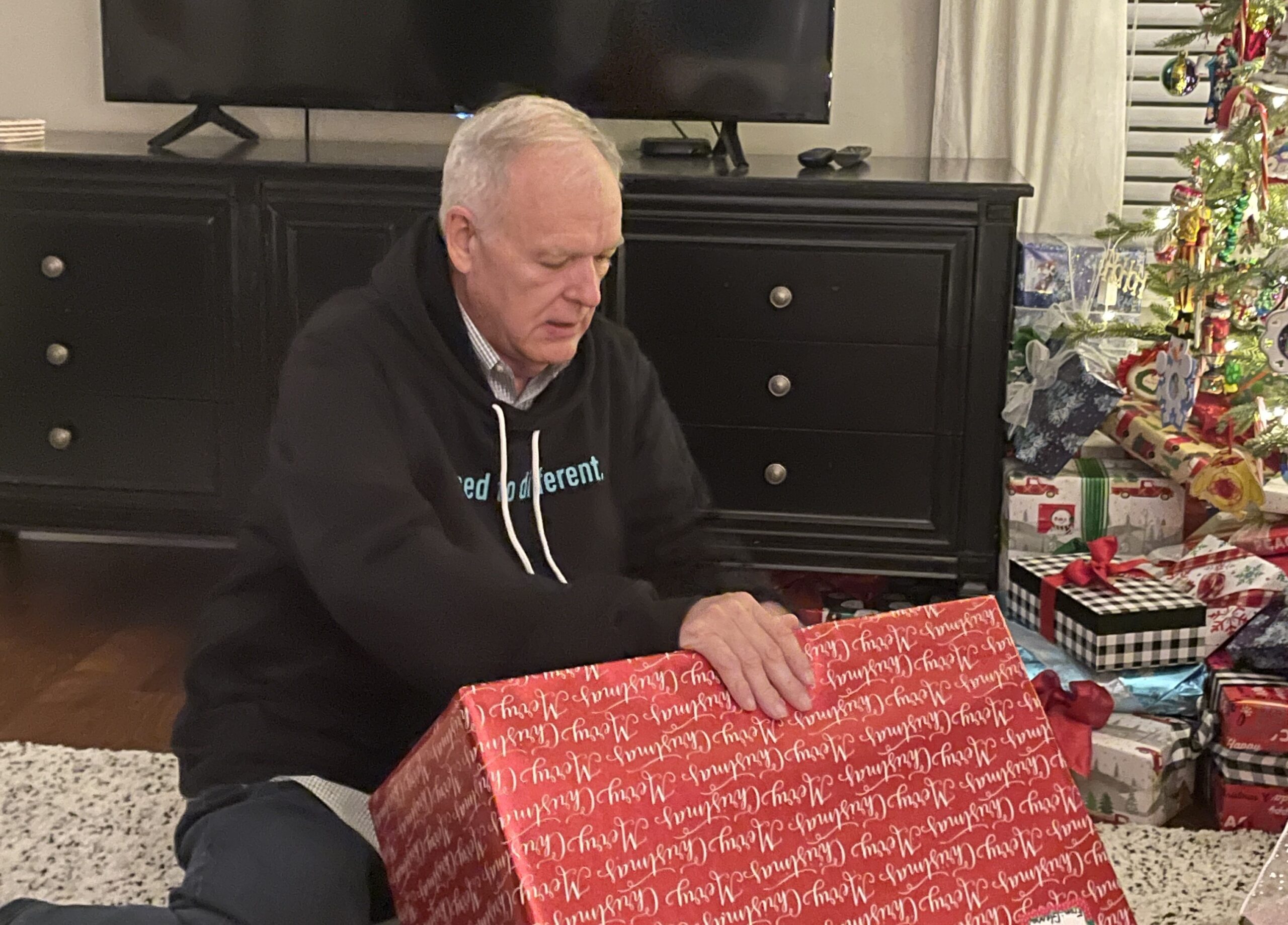
- The Christmas Telescope — it arrived. I had no idea what I was doing.
- The Battery Problem — turns out the stars don’t care if you’re prepared.
- The Shaking Problem — apparently the ground moves. Who knew.
- A Dark Sky Site 100 Miles Away — learning to live with the sky above your garage.
- Planning a Night of Observing — much more successful than hunting around in the dark for something to look at.
- The Solar Eclipse Watch Party — one thing actually worked, and I’m taking full credit.
- Searching the Sky for One Specific Star — there are a lot of stars out there. Who knew.
- Meet SharpCap — I stopped squinting through the eyepiece and let the computer do it, in my office, in broad daylight.
- The First Night with SharpCap — encouraging. Which is a low bar, but I’ll take it.
- The Night I Found Saturn — sixty years after the Dyer Observatory. Worth the wait.
Once I have a system that works reliably from a suburban driveway, I’ll publish the full plan here — no dark sky site required. And since AI is part of nearly everything I do, I’ll show how I’ve used it to learn astronomy alongside the telescope.
If you’ve ever felt small under a dark sky, or you’ve got a telescope in the closet you never figured out — pull up a lawn chair. We’ll figure it out together.
A Sample of What this Site Offers
Grace and Peace —
Scott Walker