
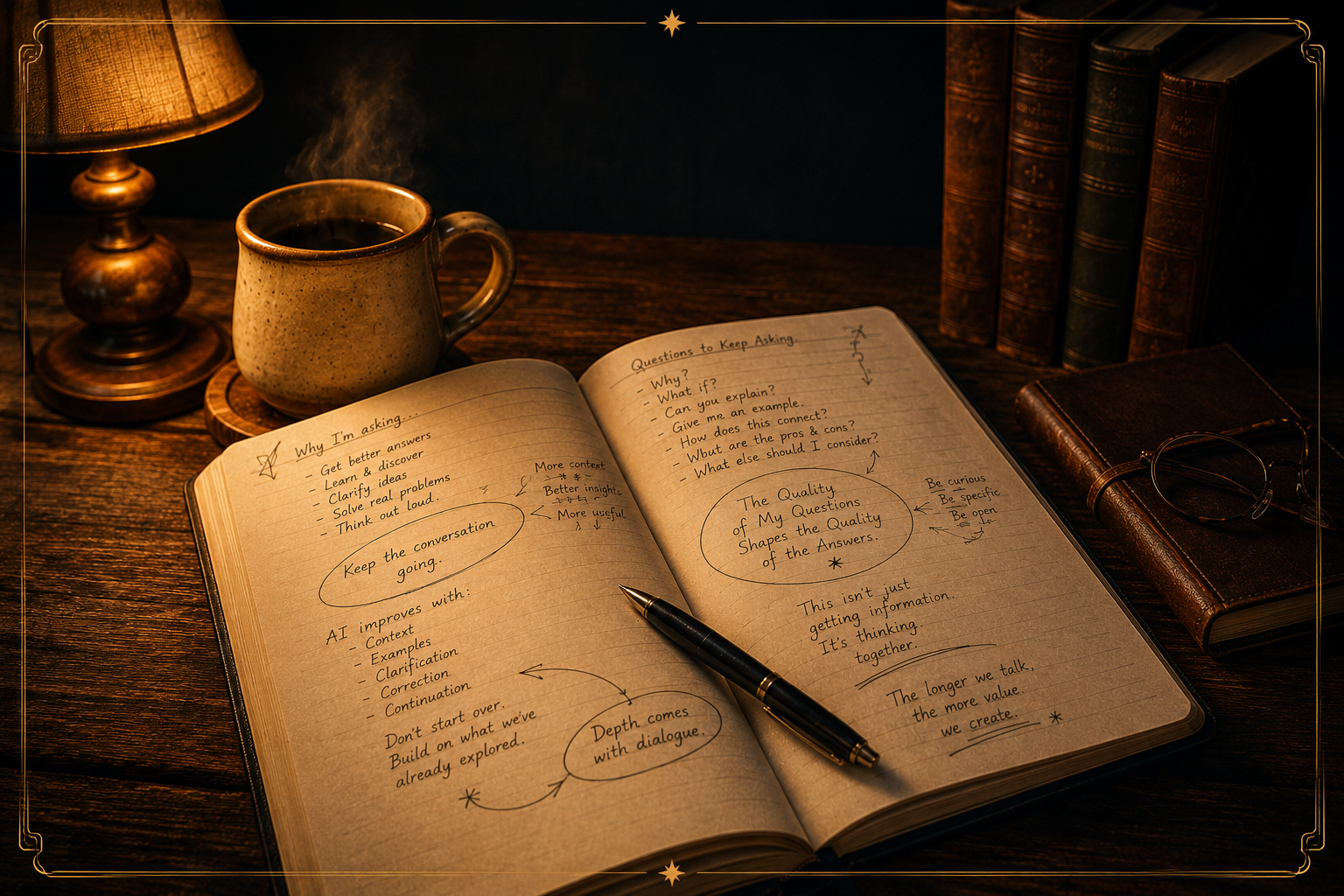
“Why the way most people use AI misses the whole point — and what I stumbled onto instead.“
It’s Not the Prompt. It’s the Conversation.
My son-in-law Adam looked at me and said, “do you use ChatGPT?” I had to confess I’d heard the name — though I’d been calling it ChatGBT — but had never used it and couldn’t explain what it actually was. He said, “watch this,” and asked it a question out loud. The answer came back in a voice with no artificial tone whatsoever. Then he handed it to me. I couldn’t think of anything smart to ask, so I asked something about the San Antonio Spurs. I was fascinated. That was a little over a year ago. What I’ve figured out since then isn’t what most people are teaching about AI — and I think it matters.
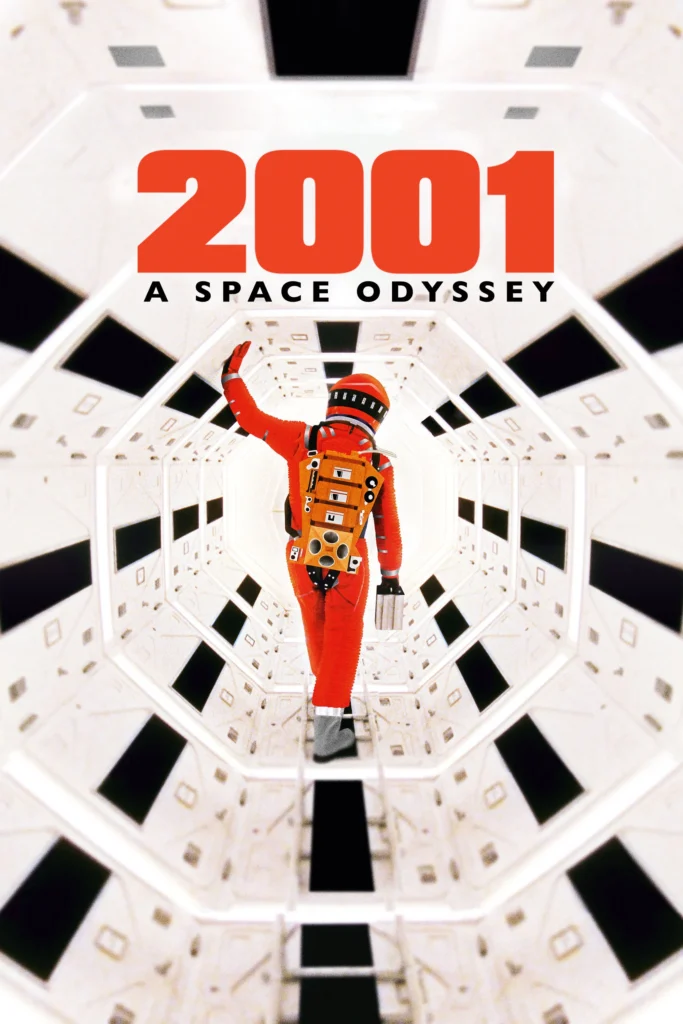
I’ve wanted to talk to technology since 1968 when I first saw “2001: A Space Odyssey” and the droll, very verbal HAL 9000.
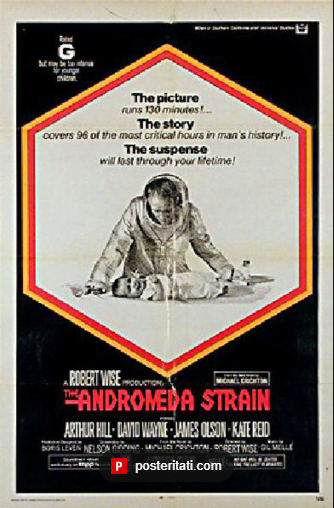
Then there was the 1971 Michael Crichton film “The Andromeda Strain,” with its calm, authoritative computer voice of “63 year old, Miss Gladys Stevens,” that seemed like the future.
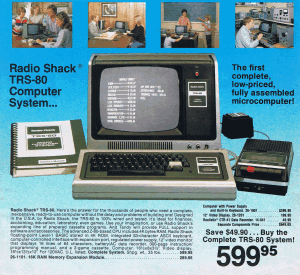
Then it all became very real when Radio Shack released a voice attachment for the TRS-80 computer (the Talker/80 Voice Synthesizer) that I never could afford — we were a young family on a tight budget — our first home computer didn’t show up until the mid-1980s.
The idea of talking to my computer has stuck with me ever since. By the time Adam showed me ChatGPT, I’d already wired our house with Alexa Echo Dots on every floor. But Alexa giving me the weather isn’t the same thing as a real conversation.
Not even close.
Over the next six months I went from asking simple Google-style questions to something that felt genuinely different. And somewhere in that process I noticed that the books being written about AI — and there are plenty of them on Kindle Unlimited — were almost all focused on the same thing: how to write a better prompt. One sentence in, one answer out. Vending machine thinking. I don’t think that’s where the real value is.
Accidental Learning
Here’s what I discovered by accident. After about six months of regular conversations with ChatGPT and then Claude, something shifted. I wasn’t writing prompts anymore — I was thinking out loud. I’d share the backstory behind a question. I’d tell a story that explained why I was asking. I’d go back and forth until what started as a simple inquiry became something I actually understood better than when I started.
Long-Form Prompting
I call this long-form prompting, though “prompting” is probably the wrong word for it. My conversations are often multiple pages long before I get to the question. I don’t worry about spelling or repeating myself. I don’t try to be clever about how I phrase things. I just talk. And what comes back, over time, starts to sound less like an AI answer and more like my own thinking — organized, clarified, sometimes challenged — but mine.
The book you’ll find linked on this site, “Hidden in Plain Sight,” came together that way. Not “AI wrote my book” — but “I talked through my ideas, told my stories, explained what I believed and why, and the conversation helped me see what I was actually trying to say.” That’s a very different thing.
This connects to something I’ve noticed about my own mind for years. I’m easily distracted — but not in a bad way. When a preacher, professor, or author says something that sparks a thought, my brain immediately wants to follow that thread somewhere they weren’t going. I used to write those thoughts on scraps of paper so I wouldn’t lose them. Now I just keep talking to the AI. The threads don’t get lost anymore. They become conversations. Sometimes they become posts. Sometimes they become books.
What I’ve Learned
The prompt gets you an answer. The conversation gets you somewhere you didn’t know you were going.
Most AI books focus on the front end — how to ask the question. What they miss is that the real value accumulates over time, across conversations, when the AI begins to understand not just what you’re asking but how you think and why it matters to you. That’s not a feature you unlock with a clever prompt. That’s something you build, the same way you build any good working relationship: by showing up and actually talking.
I’m also convinced that this approach works especially well for curious people who don’t always know exactly what they’re looking for. If you already know the answer, a prompt is fine. If you’re still figuring out the question — which is where I live most of the time — a conversation is where things get interesting.
What’s Next
This section of the site — Granddaddy Can’t Stop Asking Questions — is where I’ll be writing about what I’ve learned from a year of serious conversation with AI, including the things that surprised me, the things that didn’t work, and the moments where the conversation went somewhere I genuinely didn’t expect. I’m not a technologist, in the modern sense of the word. I’m a retired banker — though my career was entirely on the technology side: writing software, managing its development, and eventually helping other bankers use it. More importantly, I’m a lifelong learner who came to this late and found it more useful than almost anything else I’ve picked up in retirement. If that sounds like your kind of story, stick around. [INSERT LINK TO NEXT POST]
Grace and Peace —
Scott Walker